



Cluespotting in Puddles
My thanks to Omar and Fran for braving the elements on the course last Friday. I knew they were in the zone when they stopped…



My thanks to Omar and Fran for braving the elements on the course last Friday. I knew they were in the zone when they stopped…

Something a little different today – a guest blog. I am very grateful to Hye Jung Kim and all the team at Project Wayfinder for…

Tides are at the greatest range near a full or new moon and these are called ‘spring tides’. This is when the sun and moon’s…
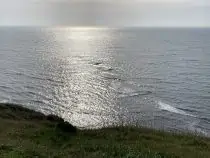
I took this photo from the South West Coast Path in the Isle of Purbeck, Dorset, a few days ago. In it we can see…

Slick lines form on water when a very thin layer of oil spreads out across the water. The oil dampens ripples creating calmer patches. Over…

Swash is the name given to the waves that rush up the beach after a wave has broken. They are intriguing little waves that inhabit…

A morning glance at a moody and cloudy twilight led me to laying down some of my thoughts about the key challenges facing celestial navigation…
Some Thoughts on the difference between the terms ‘Tidal Streams’ and ‘Tidal Currents’ In the chapter, Currents and Tides, in my book, How to Read Water,…
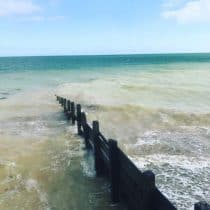
The colour of water is determined by: A) What’s under it. B) What’s in it. C) What’s on it. D) And by light levels and…

I’m just back from a brief visit to Prague, where I witnessed many wonderful things. Included among the small delights were these views from the…

The English artist, Eric Ravilious (1903 -1942), is loved by many of us who tramp the same chalky hills of the South Downs that he…

The definition of the word ‘fetch’ is simple: The distance that wind travels over open water. But why do we need to know that? Spend…
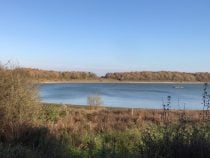
When a gust of wind touches the surface of calm water, it creates a localised patch of bigger ripples. These can be seen as a…
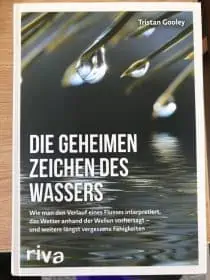
How to Read Water has been published in German, as ‘Die Geheimen Zeichen Des Wassers’.
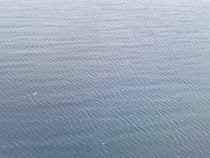
One of the commonest questions ocean watchers ask is: What is the difference between waves and swell? The concise answer is: “Swell is best thought…

My thanks to the Don Winslow for giving How to Read Water a mention in the ‘By the Book‘ column in the New York Times…
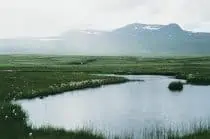
Once we notice the plants that thrive beside water, we can use those plants as a map to find hidden water.

Thank you Thomas for a kind, interesting and uplifting email from Basle: ——— Dear Tristan I just finished reading your wonderful book “How to read…

It can be difficult to see detail in the surface of calm water. To work out what the water is doing, look at the places…

The paperback of How to Read Water is out today! (UK) Happy Water Reading! A Sunday Times ‘Must Read’ book A New York Times Bestseller…