





July is a good month for tall wildflowers that include red in their palette.
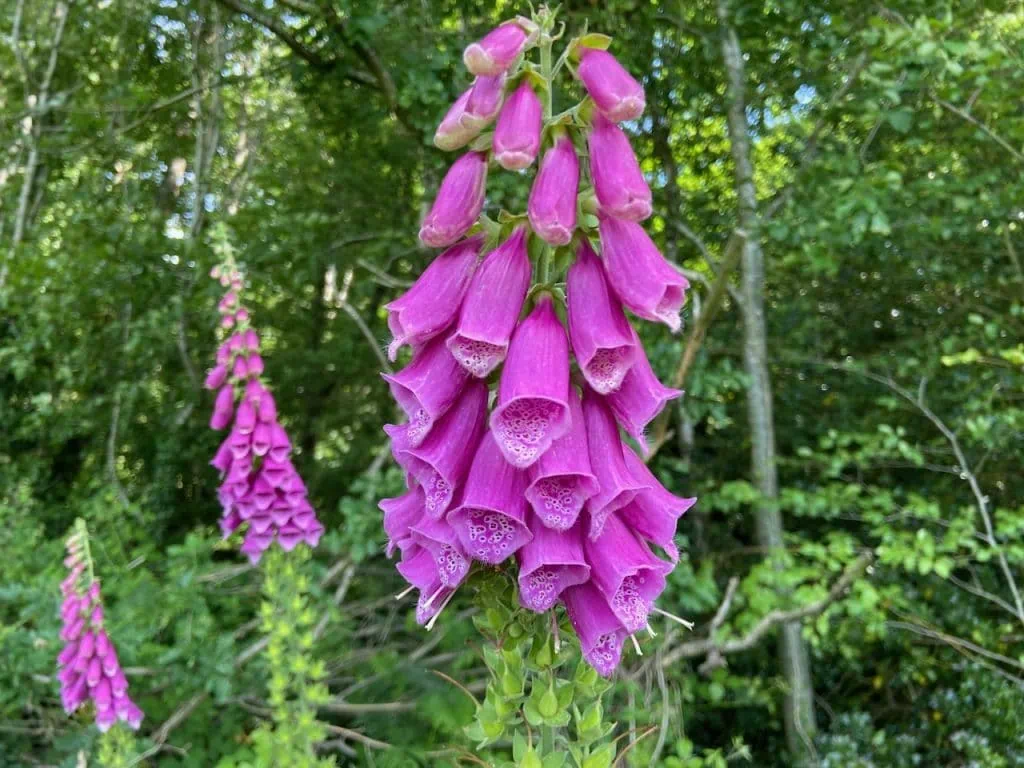
The pink-purple foxgloves line the edge of the woods and point the way out of the woods as they face away from shade and towards light. The flowers at the base open before the flowers higher up*. The pollinating bumblebees, drawn to the flowers by their colour, shape and patterns on their landing lip, work their way up from the base towards the top, spiralling as they go.
The tall pink spikes of rosebay willowherb mark areas of upheaval. In North America it is known as fireweed and it does thrive in areas recently cleared of other plants by fire. It’s an enterprising and opportunistic plant, often the first colour on the scene after disturbance, but it rarely thrives in places for long periods and so marks recent change. It earned the name ‘bombweed’ in the Second World War, thanks to its habit of springing up in bomb craters. It always prompts the question, “What happened here?”
(*Foxgloves have bisexual flowers, so there are no distinctly male or female flowers. The stamen (male parts) mature first in the flower releasing pollen before the stigma (female parts) matures. And so, as the flower ages it turns from functionally male to female. The oldest flowers in a foxglove are at the bottom of the spike and the youngest are at the top, so there are effectively male flowers at the bottom and female flowers at the top. However all the flowers have both male and female structures, they just mature at different times.)
You might also enjoy:
Wayfinding with Rosebay Willowherb
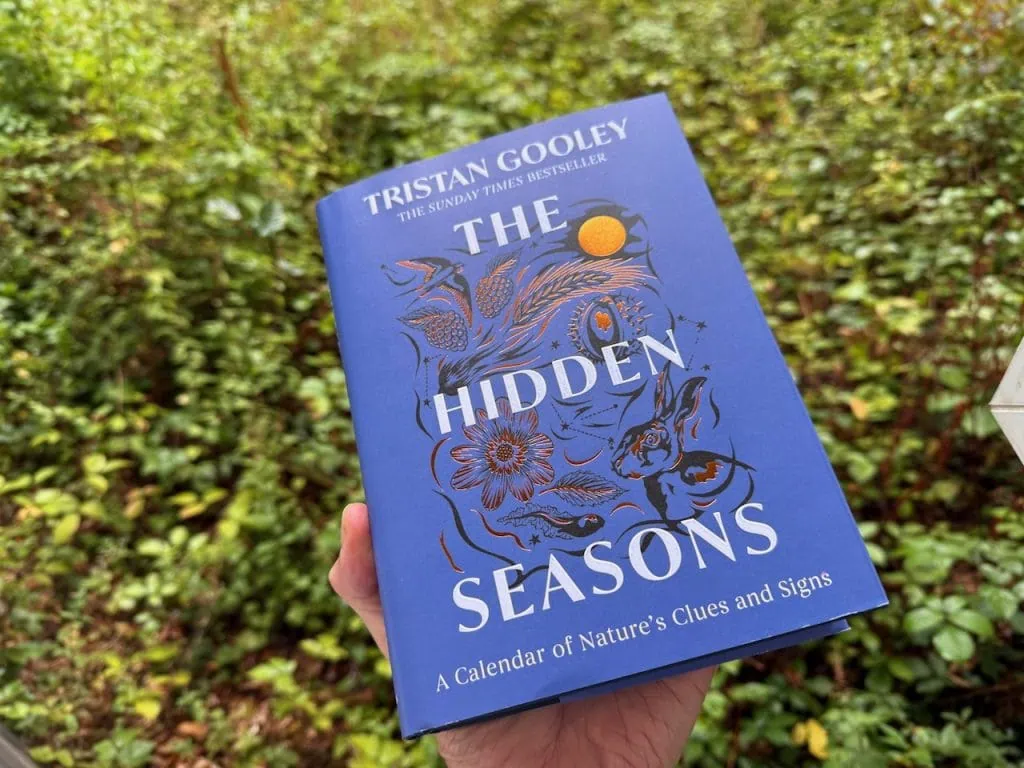
The Hidden Seasons – The Book