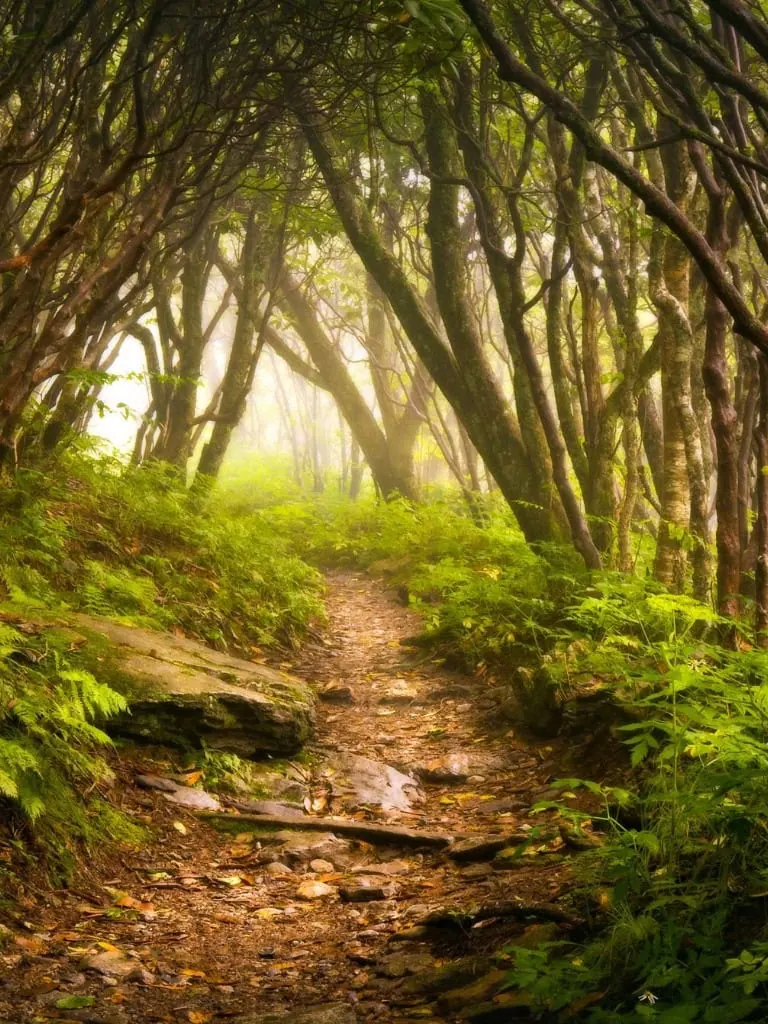






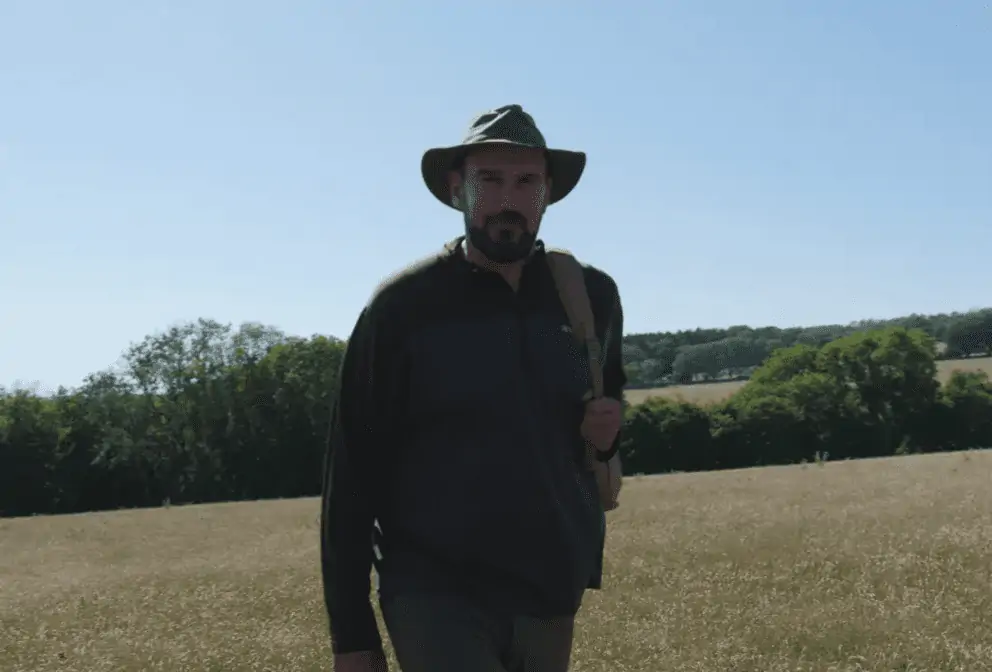

Ashdown Forest in East Sussex will hide from your life for years, but when it makes an entrance, it will also make an impression. For most, it offers a welcome blast of restorative wild beauty. The acidic sandy soil gives the land a harsher character and more spartan feel than southerners weaned on softer soils have come to expect. It is within sight of the lush wildflowers and dense beech forests on the chalky downs to the south and yet it feels like another world.
The striking contrast with neighbouring regions endears it to most visitors, but not all. When William Cobbett, a farmer, traveller and writer born in 1763, visited the Forest he penned a short review and secured his place as its harshest critic to this day,
“At about three miles from Grinstead you come to a pretty village, called Forest-Row, and then, on the road to Uckfield, you cross Ashurst (sic) Forest, which is a heath, with here and there a few birch scrubs upon it, verily the most villainously ugly spot I saw in England. This lasts you for five miles, getting, if possible, uglier and uglier all the way, till, at last, as if barren soil, nasty spewy gravel, heath and even that stunted, were not enough, you see some rising spots, which instead of trees, present you with black, ragged, hideous rocks.”
Cobbett did not have the last word on the place, nobody will, it will outlast its fans and critics as it has done since medieval royals claimed it as their own hunting playground.
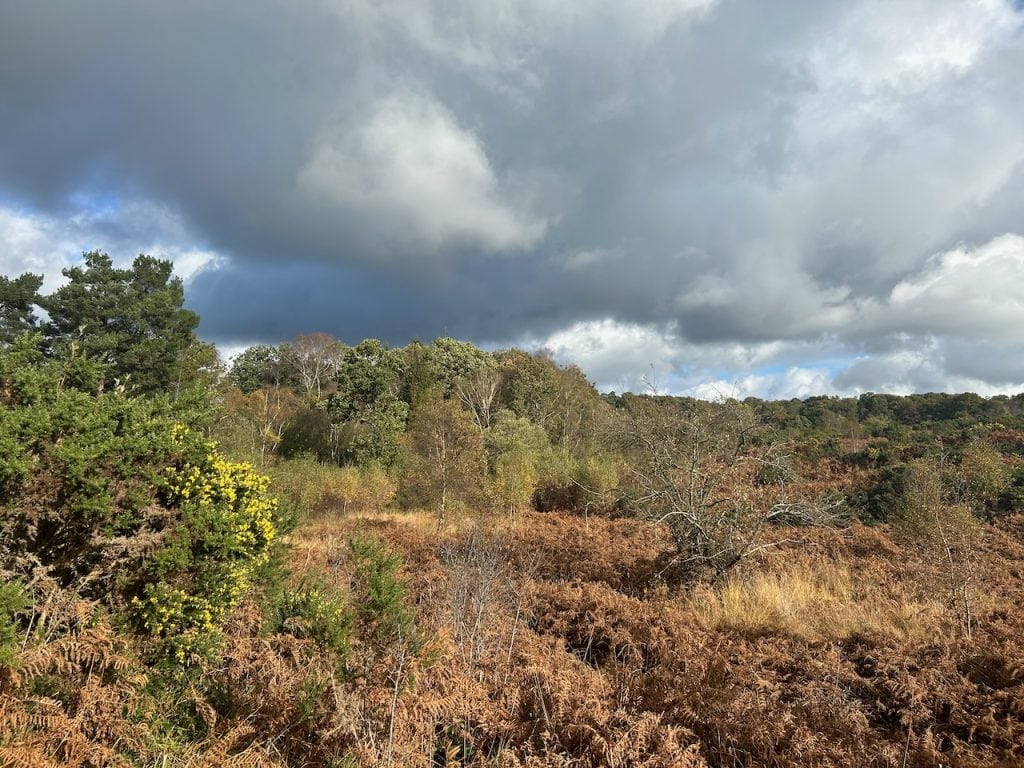
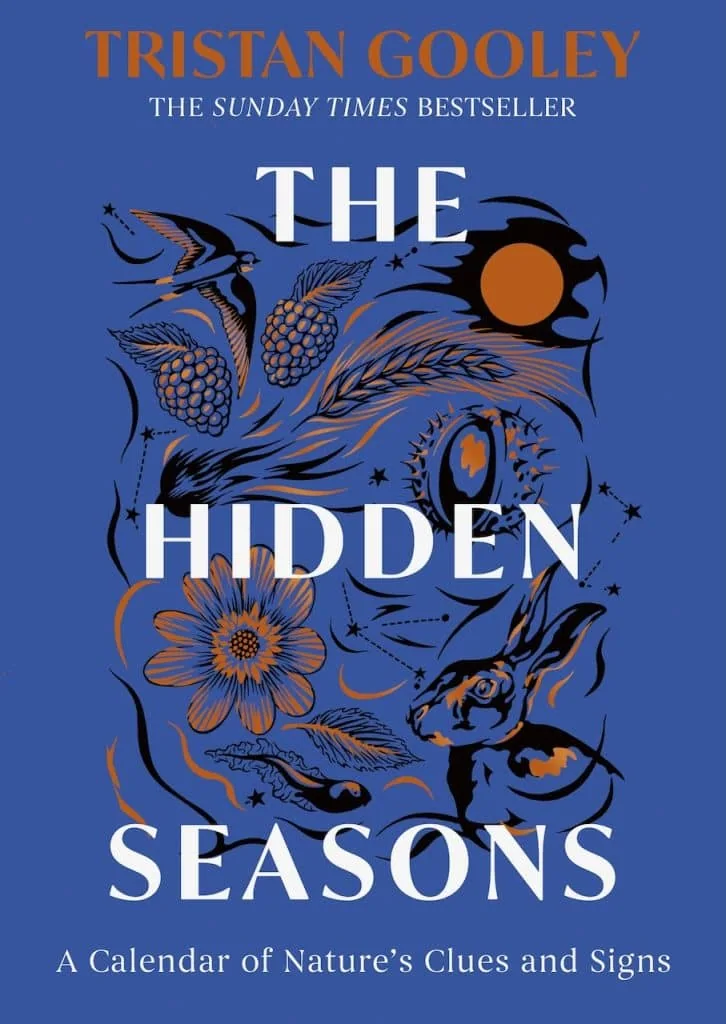
I spent a fascinating few days in the Forest a couple of years ago, enjoying natural navigation walks and doing lots of fruitful research for my latest book, The Hidden Seasons. I’ve never met anyone who didn’t enjoy their time visiting the Forest. But, however magical a place feels, there are always exceptions.
You might also enjoy:
Foxgloves Face Away from the Forest
The Hidden Seasons – The Book